May 20, 2026
In the world of commercial building design and management, the often-overlooked aspect of selecting the right doors can have significant implications for security, efficiency, and aesthetic appeal. Commercial doors serve multiple purposes, offering security, privacy, efficiency, and an opportunity to enhance the building's visual aesthetics. They are central to ensuring a welcoming and secure environment for employees, customers, and clients alike. From large warehouses to sleek office buildings, the role of doors is crucial yet often underappreciated. Here, we'll guide property owners and managers through the essential considerations for choosing the best commercial doors to suit their specific needs.
Understanding Commercial Door Types
1.1 Fire-Rated Doors
Safety is a non-negotiable priority in commercial design, making fire-rated doors an essential component of any high-occupancy building. These doors are specifically engineered to slow or prevent the spread of fire and smoke between different compartments of a structure. Constructed from heavy-duty materials like steel, gypsum, or specially treated wood, they are assigned a "fire-protection rating" (ranging from 20 minutes to 3 hours) based on how long they can withstand a fire endurance test. Beyond just the door leaf itself, a true fire-rated assembly includes certified frames, hinges, and self-closing hardware to ensure the door remains sealed during an emergency.
The integration of fire-rated doors is often a legal requirement dictated by local building codes and the National Fire Protection Association (NFPA) standards. These doors are typically placed in critical egress points, such as stairwells and elevator shafts, to protect evacuation routes. While their primary function is life safety, modern fire doors are now available in various finishes that allow them to blend seamlessly with a building’s interior design. Regular inspections are mandatory to ensure that seals remain intact and closing mechanisms function perfectly, as even a minor gap can compromise the door’s ability to save lives.
1.2 Automatic Sliding Doors
In modern commercial spaces where convenience and accessibility are paramount, automatic sliding doors have become a gold standard. These systems utilize motion sensors or pressure mats to detect approaching users, offering a hands-free experience that is particularly beneficial in retail centers, hospitals, and grocery stores. By eliminating the need to physically push or pull a door, they ensure compliance with accessibility laws (such as the ADA) and provide an inclusive environment for individuals with disabilities, parents with strollers, or patrons carrying heavy packages.
Beyond convenience, automatic sliding doors offer significant operational advantages regarding traffic management and climate control. Because they slide horizontally rather than swinging outward, they conserve valuable floor space in cramped entryways. Furthermore, their rapid opening and closing cycles help maintain the building’s internal temperature by minimizing the amount of conditioned air that escapes, which can lead to lower utility costs. When equipped with high-performance glass and robust aluminum frames, these doors provide a sleek, high-tech aesthetic that signals professionalism and modern efficiency to every visitor.
1.3 Glass Doors
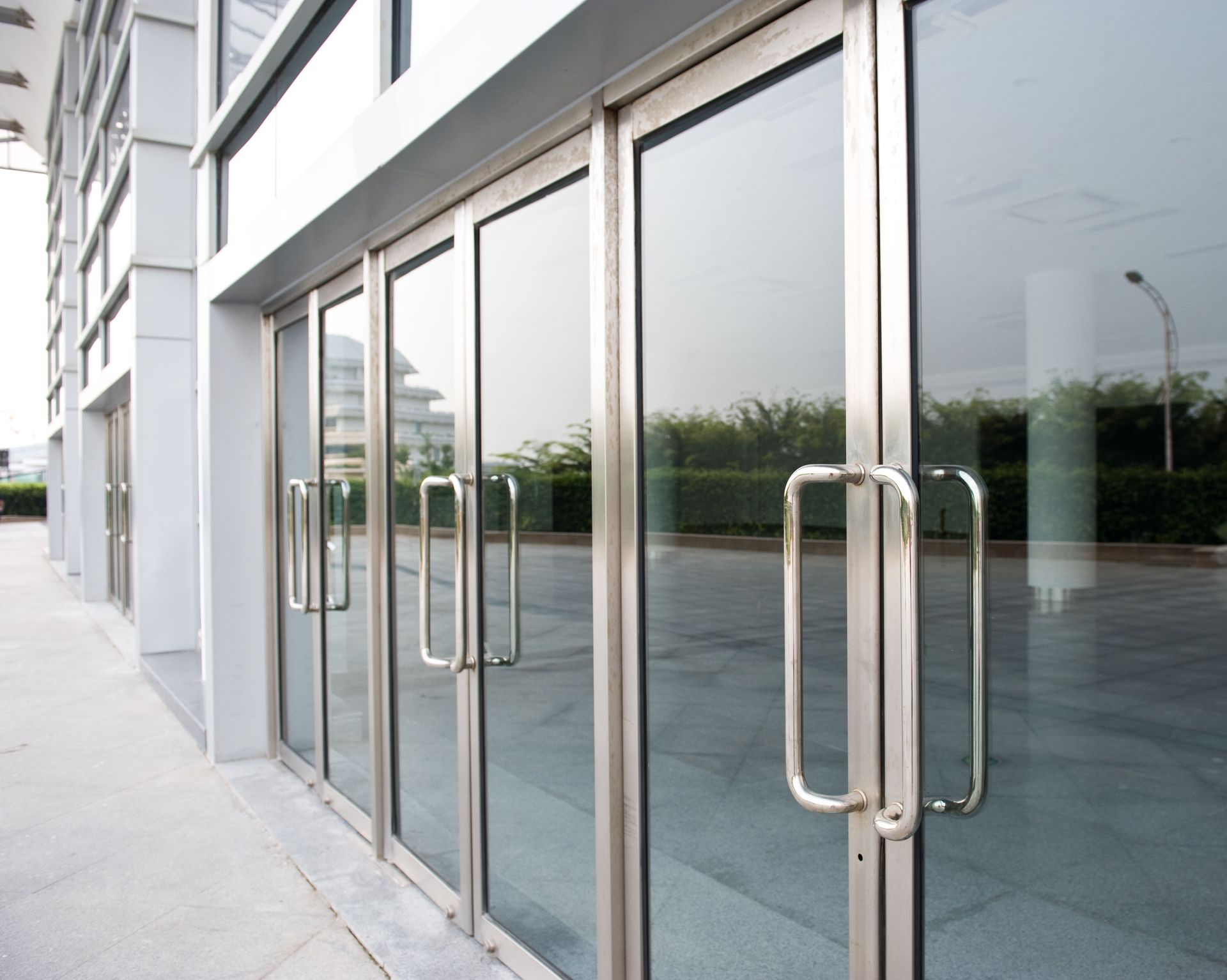
Glass doors are favored for their transparency benefits, offering visual connection across spaces and maximizing natural light. This transparency is especially beneficial in retail environments where visual appeal and customer interaction are crucial elements of the design. Glass doors create open and inviting spaces that encourage a seamless flow between the interior and exterior. Despite these positive attributes, privacy concerns can arise if the doors do not include elements that provide visual obstruction when needed. Solutions like frosted or tinted glass can maintain the positive attributes of glass doors while addressing privacy considerations.
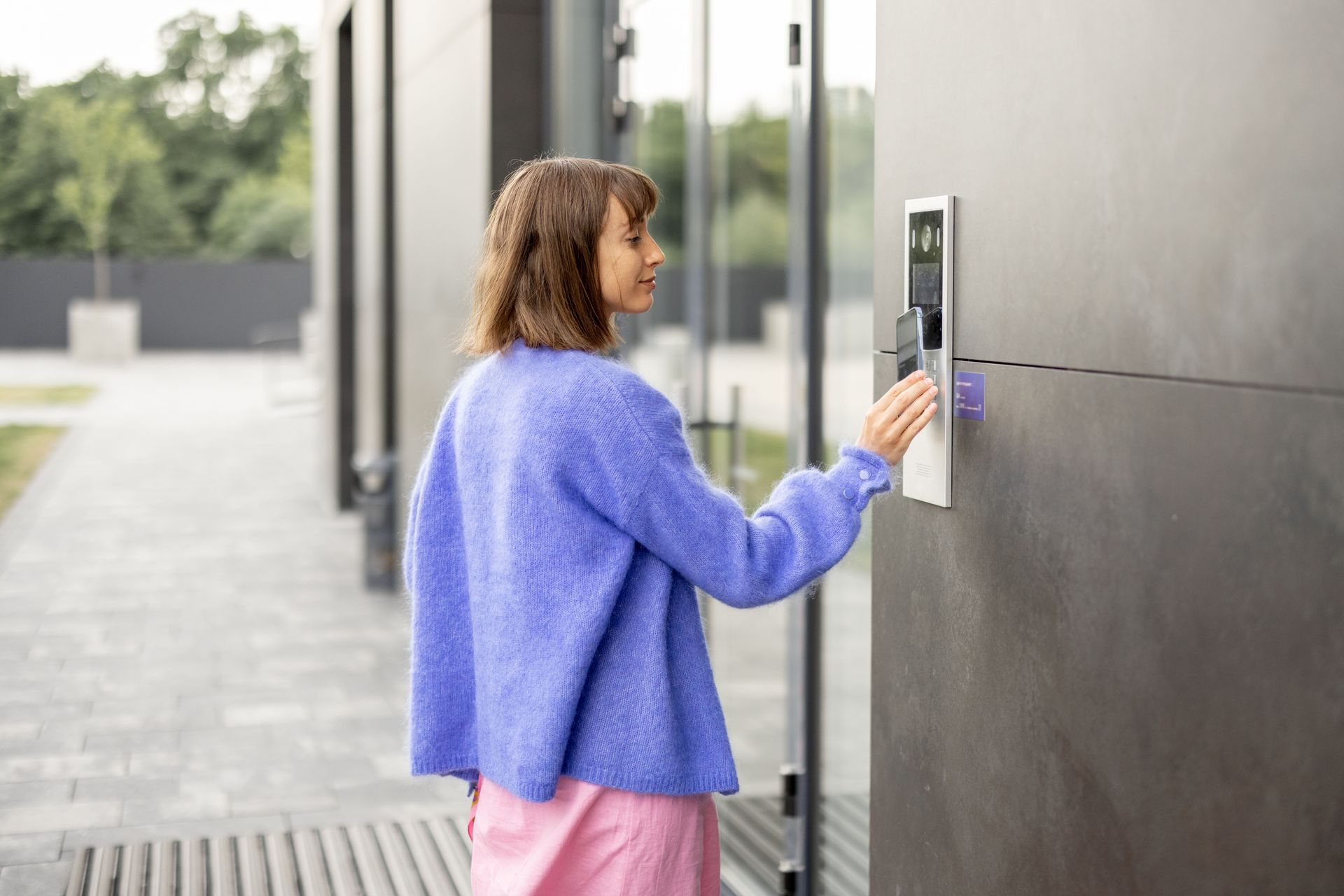
The use of glass doors necessitates careful assessment of safety and security components. While they offer aesthetic and visual benefits, glass is inherently less secure than solid materials, raising considerations for reinforcement. Safety glass options, such as tempered or laminated glass, provide increased strength, significantly reducing the risk of accidents and enhancing overall security. Additionally, to align with modern technological demands, glass doors can incorporate access control systems and other smart technologies, addressing convenience and security simultaneously. Balancing aesthetic appeal with functional requirements ensures that glass doors offer more than just visual transparency.
Another important aspect of glass doors is their impact on energy efficiency. Properly insulated glass doors contribute to maintaining interior temperatures, reducing overall energy consumption. When selecting glass doors for a commercial property, considerations should also include how they interact with the property’s HVAC system and natural sunlight. The integration of low-emissivity (Low-E) coatings or double-glazing can enhance performance by minimizing heat transfer. Through these options, glass doors can contribute significantly to creating energy-efficient and visually stimulating environments.
Assessing Your Building's Needs
2.1 Security Requirements
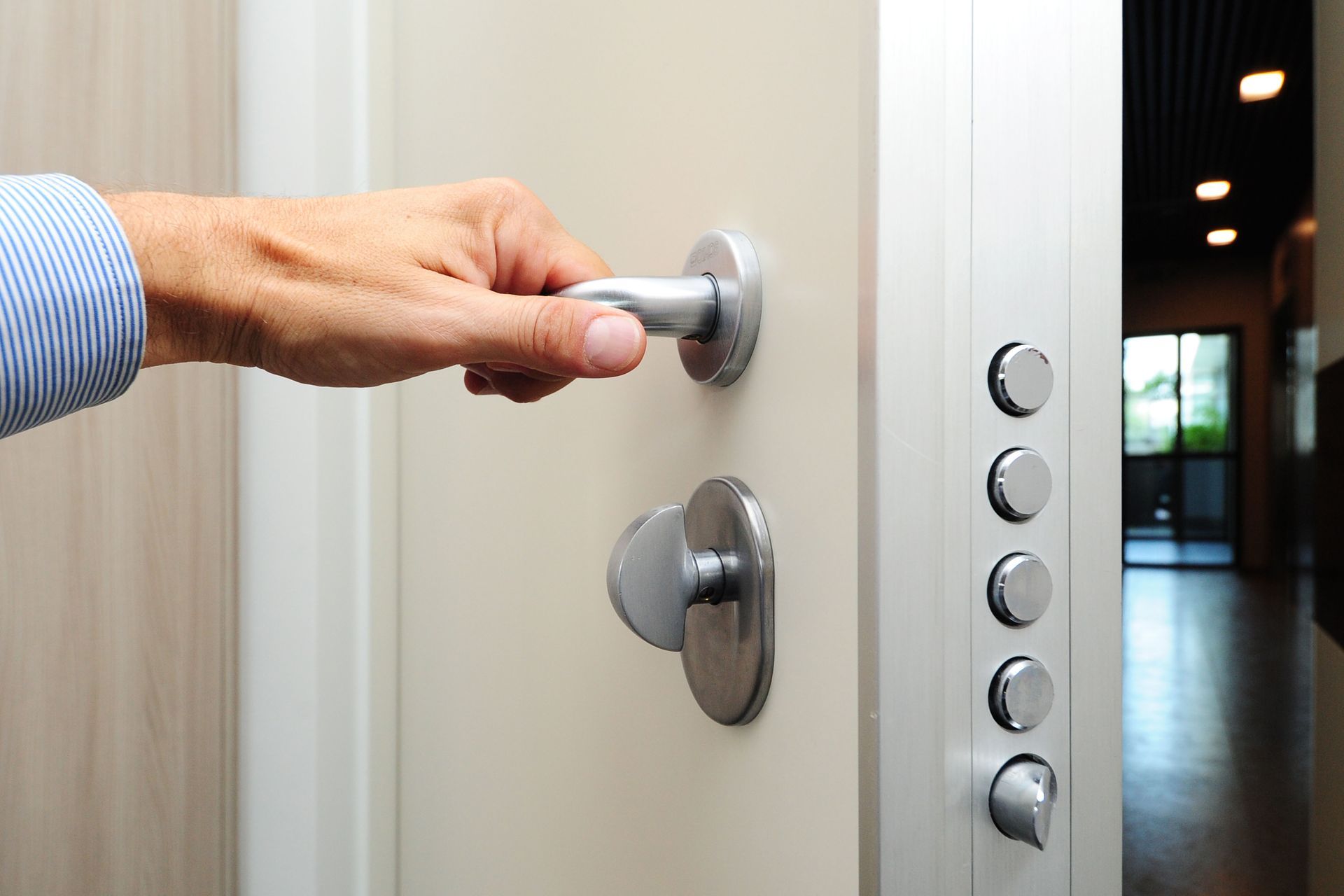
Determining the security needs for a property involves analyzing potential risks and vulnerabilities specific to the building's use and location. High-security environments, such as financial institutions or sensitive data centers, require reinforced doors with advanced locking mechanisms. In many cases, utilizing technologies such as electronic locks, CCTV integration, or biometric systems significantly enhances security. For lower-risk environments, standard doors with reliable locking features might suffice, reducing overall costs while still safeguarding against unauthorized access. Evaluating security needs early in the planning process ensures protection, accounts for budget considerations, and aligns with security policies.
Consideration of smart technologies for commercial environments continues to rise due to their seamless integration with traditional security measures. According to KTVZ, nearly 80% of American homes incorporate smart technology, often featuring keypad entry locks, highlighting the mainstream adoption of advanced security solutions in both residential and commercial properties. Many commercial doors incorporate similar technologies, enabling remote monitoring and control. This trend reflects the importance placed on security within modern infrastructures, showing a shift toward smart systems as essential components in comprehensive, effective security plans.
2.2 Traffic Flow Considerations
Traffic flow within a commercial property is a critical facet that influences door selection and installation placement. Properties experiencing high foot traffic need doors that facilitate smooth, continuous movement without disruption. These doors might include automatic or sliding options to accommodate the convenience and efficiency required in bustling environments such as airports, malls, or hospitals. Conversely, less busy areas, such as private offices or conference rooms, may do better with traditional doors that provide separation and privacy. Proper alignment of door types with expected traffic ensures functionality, maximum efficiency, and user experience quality.
Evaluating the frequency and nature of movement—such as office employees, customers, or shipping operations—can lead to doors that enhance operational efficiency. For instance, retail spaces often value wide glass doors that welcome customers into visually engaging environments, supporting the storefront's calling. Industrial facilities might prioritize durable, easy-to-operate doors that handle heavy machinery movement and assembly line access, supporting seamless operations. Incorporating materials and automation that adapt to differing requirements highlights the need for tailored door solutions fitting unique property workflows.
2.3 Climate and Environmental Factors
Climate and environmental conditions are key determinants in selecting appropriate materials and door types for commercial properties. Doors exposed to extreme weather—such as high humidity, salt air, or freezing conditions—must possess resilience and resistance against these forces. Selecting materials like galvanized steel or aluminum, which withstand rust and corrosion, provides longevity and durability in challenging climates. Additionally, doors must balance thermal protection, insulation needs, and air leakage factors to contribute to energy efficiency. The combination of weather-resistant materials and insulation technology helps maintain interior comfort while reducing energy consumption.
For many environments, energy efficiency is a paramount consideration, closely tied to material choice and building design. Doors situated in areas with high sun exposure might require glazing or thermal breaks to minimize heat transfer while retaining natural light benefits. Conversely, doors targeted for colder or variable climates should emphasize thermal barriers that prevent heat loss, optimizing HVAC efficiency and indoor air quality. The correct door selection ensures that unpredictable environmental conditions do not directly impact energy costs, thereby reducing utility expenses and improving ecological footprints.
Choosing the right
commercial doors is a multifaceted decision that extends far beyond simple aesthetics. By carefully balancing security requirements, traffic flow, and environmental resilience with specialized options like fire-rated safety and automatic accessibility, property owners can create a space that is as functional as it is inviting. Ultimately, a well-chosen door system provides the seamless transition and robust protection necessary for any thriving commercial enterprise. For commercial doors you'll love, contact Hugo's Locksmithing & Keys Inc today.