March 20, 2026
Access control systems have become a cornerstone of modern security, offering a structured way to manage who can enter specific spaces. By verifying identities through credentials like keycards, PIN codes, or biometrics, these systems provide an effective layer of protection against unauthorized access. Whether in a home, office, or commercial facility, they simplify security management while ensuring that only authorized individuals can enter sensitive areas. Understanding how these systems work, the types available, and the advantages they offer is essential for anyone looking to strengthen safety measures and safeguard both people and property.
Access Control Systems
Access control systems are designed to regulate who can enter a space, defining permissions for individuals or groups. They operate based on credentials such as physical keys, pin codes, or biometrics, allowing only authorized users access to certain areas. It's an efficient way of simplifying the security process while minimizing the risk of unauthorized entries. The fundamental principle behind these systems is the authentication of identity—essentially verifying who someone is before allowing entry. With the increasing sophistication of threats, access control technologies provide a dynamic shield protecting against unauthorized access.
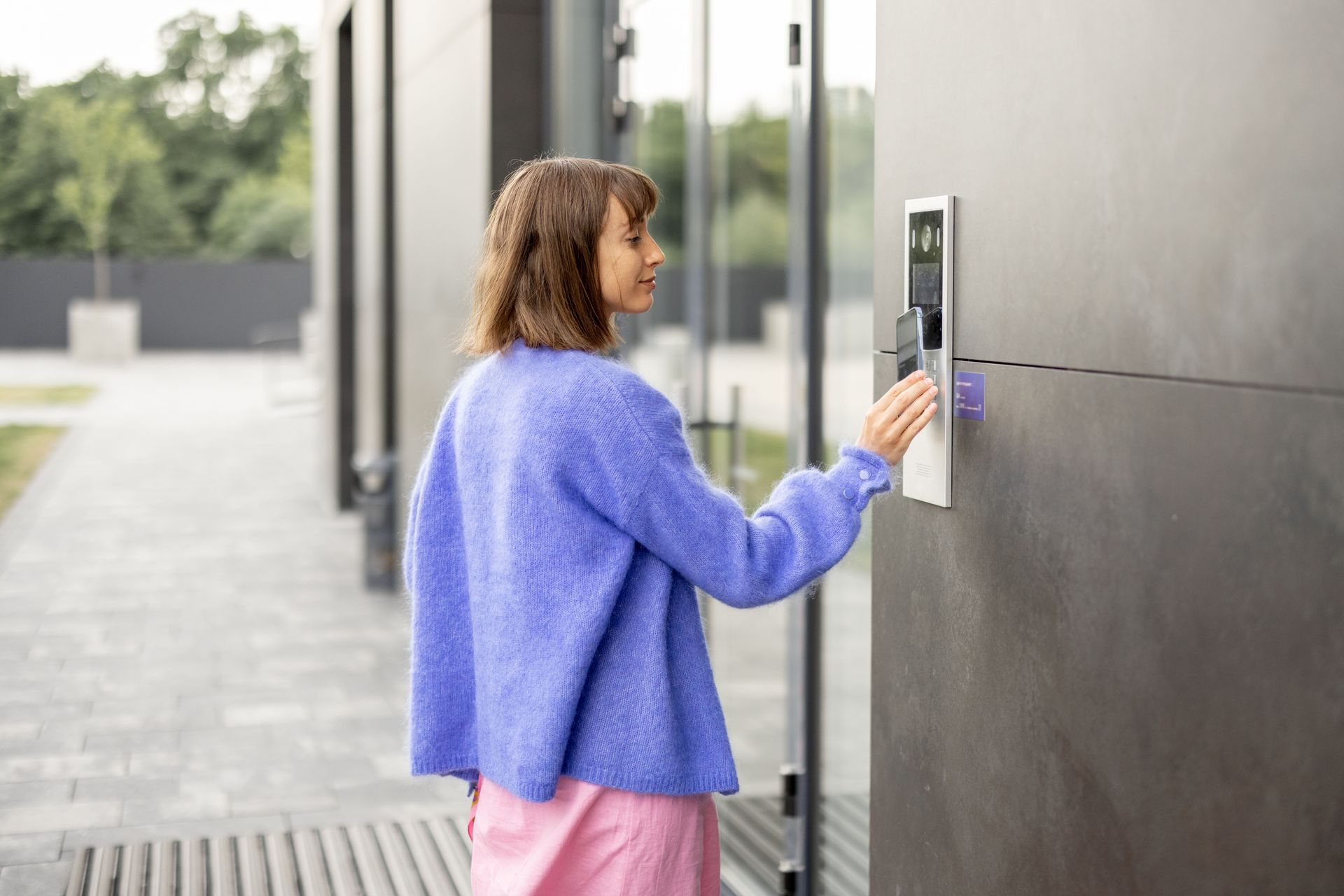
Access control systems come in various forms, each suited to different security needs and infrastructures. Keypads offer a straightforward entry solution, requiring the input of a specific code. Card readers enhance security by requiring users to present an authorized card, often supplemented by a personal identification number. Biometric systems represent the pinnacle of access control technology, using unique biological markers such as fingerprints, facial recognition, or retinal scans to authenticate users. These systems are not only highly secure but also provide convenience by eliminating the need for physical keys. As traditional security measures become obsolete, these advanced methods continue to grow in importance across residential and commercial settings.
Technological advancements have revolutionized access control solutions, offering smarter and more dynamic systems. The integration of Internet of Things (IoT) technology has enabled remote monitoring and management, allowing users to control their systems from anywhere with an internet connection. This has greatly enhanced security by enabling real-time alerts and updates. Furthermore, the use of cloud-based solutions has simplified the management of access control systems, allowing for seamless updates and scalability. As technology continues to progress, access control systems become more accessible, affordable, and effective, offering formidable layers of protection.
When selecting an access control system, it's important to consider the unique needs of the property and its occupants. Factors such as the level of security required, the number of users, and potential integration with existing systems must be assessed. With approximately 40,000 locksmiths in the United States, according to IBISWorld, there is a wealth of professional expertise available to guide this decision. Budget is another crucial factor, as systems range from basic to highly sophisticated and costly. Ultimately, the right choice will offer both security and usability, providing protection without sacrificing convenience.
Benefits of Access Control for Home Security
Access control systems provide an essential layer of security, ensuring that only authorized individuals can enter the home. This gives homeowners peace of mind, reducing concerns about break-ins or unauthorized entries. The use of sophisticated authentication methods, such as biometrics, ensures the highest level of security. These systems can also be integrated with home surveillance, providing a comprehensive approach to security. By enhancing residents' safety, access control systems continue to be a cornerstone of modern home protection strategies.
Beyond safeguarding individuals, access control systems play a crucial role in protecting personal belongings. By limiting access to homes and sensitive areas, these systems deter theft and vandalism. With the ability to customize access permissions, homeowners can ensure that only trusted individuals are allowed entry. This level of control is particularly beneficial when families are away, adding an extra layer of security to valuables. Ultimately, access control systems serve as vital tools in safeguarding the personal property of residents.
The integration of access control systems with smart home technologies has opened new dimensions in home security. Automated systems can react to security events, such as locking doors or alarming a breach instantly. Additionally, smart integration allows users to control access remotely, enhancing convenience and safety. Real-time notifications keep homeowners informed of security events, ensuring immediate response to potential threats. This synergistic approach offers a seamless security experience, combining various technologies for an effective solution.
One of the standout benefits of modern access control systems is their advanced remote monitoring capabilities. Through mobile apps and cloud-based software, users can manage and monitor their security systems from anywhere. This feature is particularly useful for frequent travelers or those with second homes. Real-time alerts can notify users of any unauthorized access attempts, allowing for quick response. The ability to monitor and control access remotely provides unparalleled peace of mind and security.
Benefits of Access Control for Business Security
For businesses, protecting sensitive information and assets is a top concern, and access control plays a significant role in achieving this. Access control systems limit entry to specific areas where sensitive data is stored, mitigating the risk of data breaches. By monitoring who accesses certain areas and at what times, businesses can maintain comprehensive security logs. These logs are invaluable for audits and investigations, providing a clear record of access events. Ultimately, such measures ensure the confidentiality and integrity of business information, safeguarding valuable intellectual property.
Managing the flow of employees and visitors is a crucial aspect of business security. Access control systems offer efficient solutions by granting differentiated access rights to individuals based on roles and responsibilities. This ensures that employees have access to necessary areas while restricting entry to sensitive areas. The systems can also streamline visitor management, allowing for easy issuance of temporary access credentials. These capabilities improve operational efficiency while bolstering security efforts.
Businesses in various industries are subject to stringent regulatory standards, which often include security protocols. Access control systems can help organizations meet these requirements by ensuring that access to sensitive areas is tightly regulated. The detailed logs and records maintained by these systems aid in demonstrating compliance during audits. By providing a comprehensive overview of access events, businesses can offer assurance to auditors of their adherence to security standards. These features are essential in maintaining compliance and avoiding costly penalties associated with breaches.
Access control systems offer unparalleled customization, allowing businesses to tailor security solutions to their specific needs. Businesses can select features based on operational requirements, such as multi-factor authentication or integration with existing security infrastructure. This flexibility ensures that companies can implement comprehensive security solutions without compromising daily operations. Furthermore, as security needs evolve, businesses can update or expand access control systems to meet changing demands. This adaptability makes access control a valuable long-term investment. For businesses, access control ensures regulatory compliance, protects valuable data, and improves operational efficiency by managing employee and visitor access with precision.
As technology advances, these systems become increasingly flexible, scalable, and integrated with other smart solutions, making them an invaluable long-term investment in security. Whether you are looking to enhance your home’s protection or safeguard a commercial facility, understanding your options is the first step toward implementing a system that meets your needs. Connect with Hugo's Locksmithing & Keys Inc today to explore access control solutions, assess your property’s requirements, and take control of safety with a system designed for peace of mind and reliable protection.